Top of the Deck · Lead
TRADE
USMCA renegotiation opens in Mexico City — Carney puts wood-product tariffs on the lever list, Greer floats conditional 'Fortress North America' preferential rates
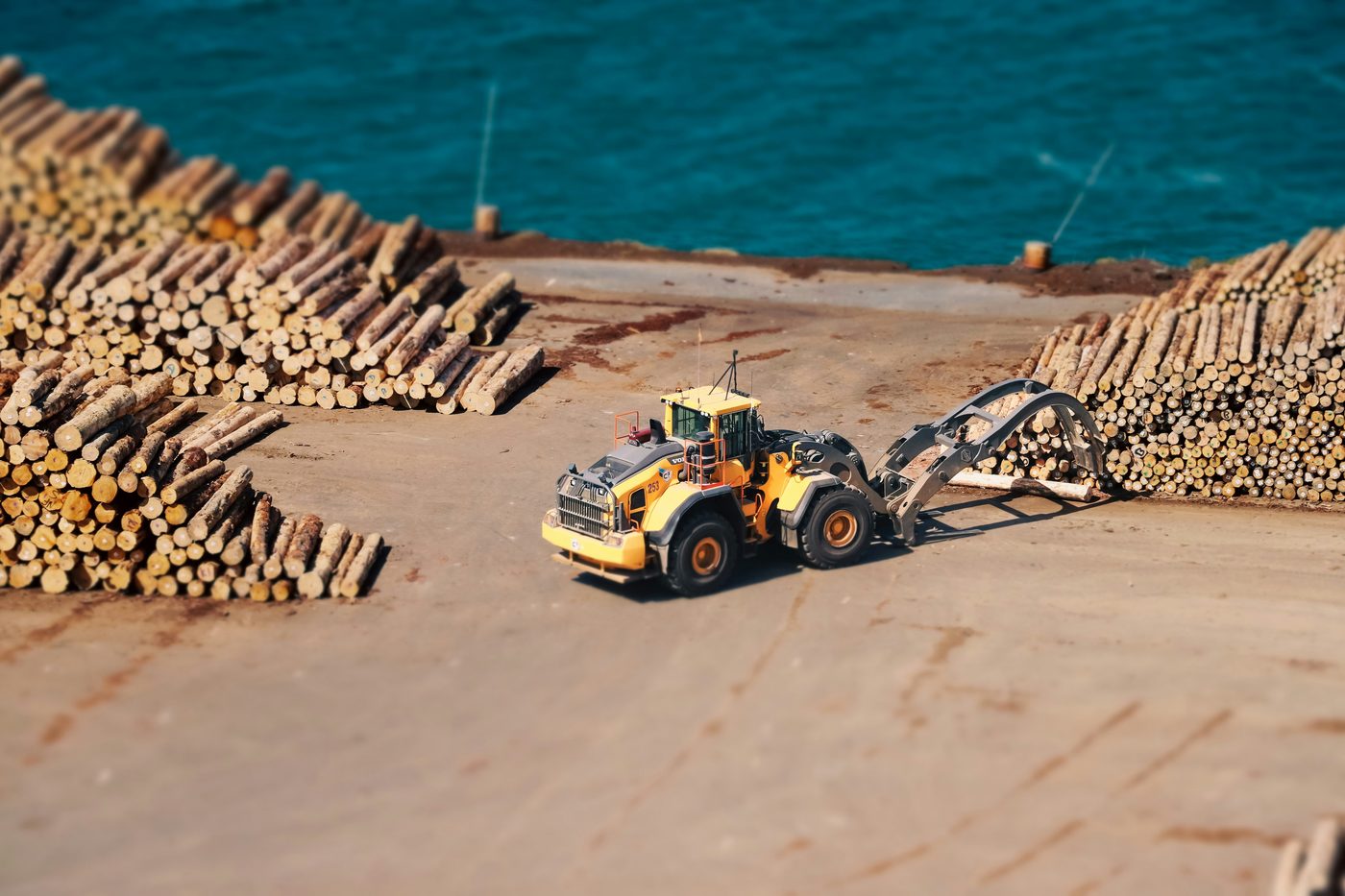
The US Trade Representative's office launched USMCA renegotiation discussions in Mexico City this week. Canada has not yet started formal talks and is not at the table for this round. The three governments face a July 1, 2026 decision: extend the 2020 agreement by 16 years, or move to a regime of annual reviews on a 10-year clock. US Trade Rep Jamieson Greer told reporters Monday that preferential continental tariff rates remain possible 'if Canada and Mexico co-ordinate' with US external-tariff policy — but warned Canada-US trade differences go 'well beyond irritants.'
Prime Minister Mark Carney has publicly signalled openness to that conditional logic. Per Globe and Mail reporting, Carney wants the US to lower its sectoral tariffs on autos, steel, aluminum, copper — and wood products — in return for moves toward deeper continental integration. The explicit inclusion of wood products on Canada's negotiating ask matters for BC: it is the first time during this US tariff cycle that softwood-specific duty relief has been packaged as a coordination trade rather than treated as a separate AD/CVD legal track.
For fibre operators, the structural read: the BC softwood duty stack (the existing 24.83% AD/CVD effective burden plus the 10% global tariff layer now under appeal at the US Court of International Trade) has shifted in status. It was previously a settled cost to model around. It is now a moving variable that the Prime Minister has explicitly named as a coordination lever. The August 2026 AD/CVD final determination — where the 10.66% AD + 14.17% CVD preliminary subtotal becomes definitive — is no longer the only variable that matters. The USMCA July 1 decision and the trajectory of Canadian alignment on US external-tariff policy both feed into the same outcome.
Top of the Deck · Second
REGULATORY
Kerry Rouck appointed to BC Forest Practices Board — three-year term, West Kelowna RPF with private-sector tenure and Indigenous-community operational experience
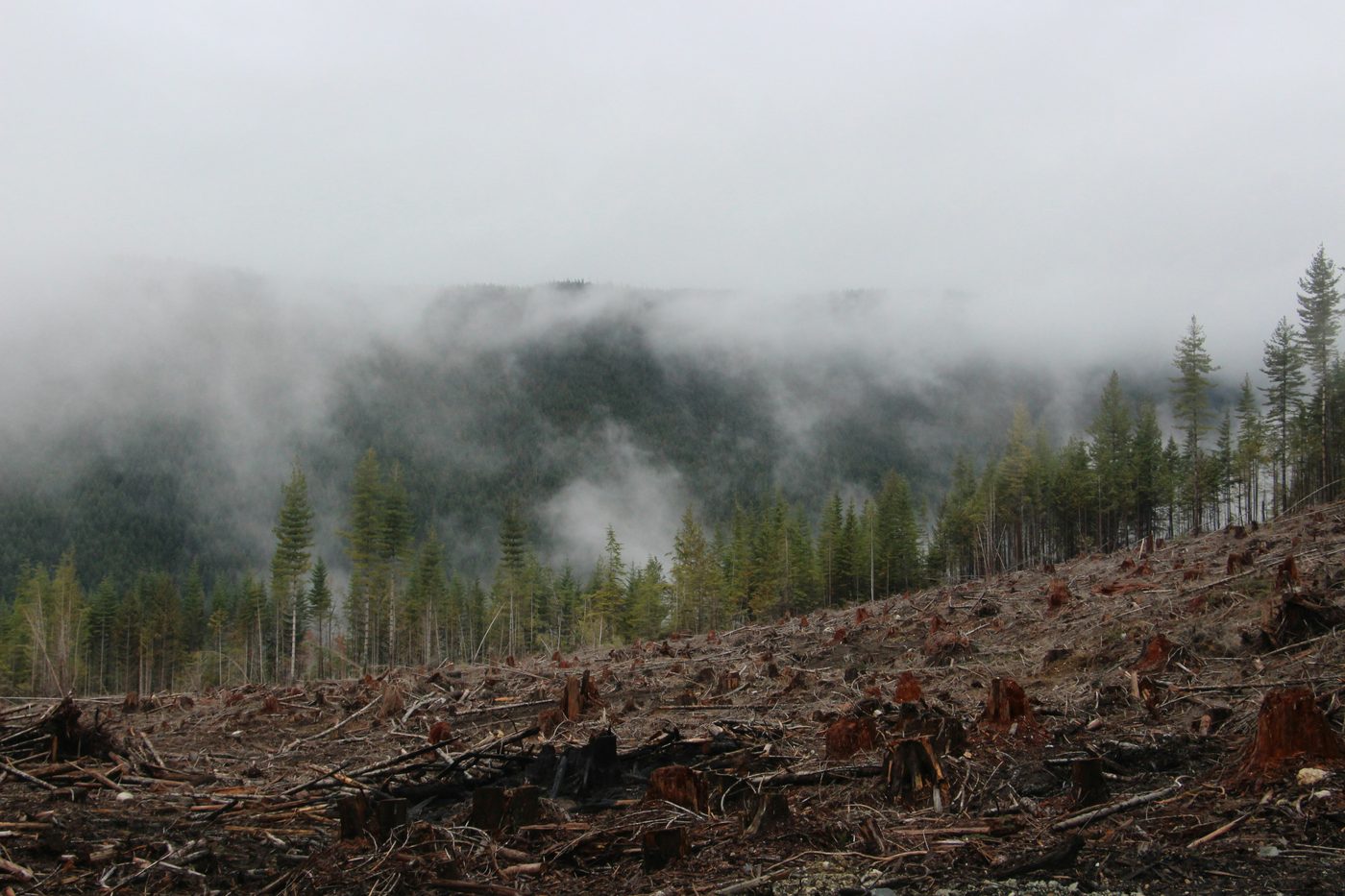
The BC Forest Practices Board announced Tuesday, May 26 that Kerry Rouck has been appointed to a three-year term on the Board. Rouck is based in West Kelowna, holds a Master of Science in forestry from the University of British Columbia, and has nearly 30 years of private-sector forestry experience working with Indigenous communities and across a range of tenure holders. He is also a woodlot owner and manager — a profile the Board's own release explicitly flagged for 'first-hand knowledge of forest practices, tenure management and the challenges facing the forest sector.'
Context for operators: the FPB is BC's independent forestry watchdog, auditing licensee and BC Timber Sales compliance, investigating public complaints, participating in administrative appeals, and recommending legislative changes. Edition 007 covered the Board's ARC275 audit of BCTS operations in the Cascades Natural Resource District — released the same month as this appointment. The composition of the Board determines which lenses get applied in the next round of audits and complaint investigations.
What to watch: Rouck's woodlot-operator background is the practical-licensee profile. Private licensees and woodlot holders have historically argued that FPB audit methodology over-indexes on BCTS-style operations and under-weights small-tenure operational realities. A woodlot RPF on the Board is a meaningful shift in that direction. Whether that lens shows up in 2026-2027 audit scopes is the testable question.
The Cut · three things to know
1 ·Madison's Lumber Prices Index flat at US$521/mfbm for week ending May 22 — down $1 weekly, down $1 monthly. Madison's published Index for the week ending May 22, 2026 is US$521/mfbm — down 0% (-$1) from the previous week at US$522, and down 0% (-$1) from one month ago at US$522. The 4-week flat band ($521-$524) suggests the market is in a holding pattern around the late-Q2 demand floor while waiting on USMCA renegotiation signals and the August AD/CVD final determination. For BC fibre cost stacks: flat lumber pricing into a softening Southern Yellow Pine spread means margin is being absorbed at the mill rather than expanded.
[Source: Madison's Lumber Reporter.]
2 ·Federal firefighting fleet: VIH Helicopters supplies two Sikorsky S-92As; BC firms (VIH, Conair, Coldstream) anchor the new national reserve. The Canadian Interagency Forest Fire Centre announced Monday, May 26 it has leased a 10-aircraft reserve fleet plus two support assets for the 2026 wildfire season under a $317 million federal allocation. VIH Helicopters (North Saanich, BC) is supplying two Sikorsky S-92A heavy helicopters; Conair Group and Coldstream Helicopters — both BC-based — are also in the fleet. Contracts start immediately and run to October 18. Operationally for forestry: a domestic heavy-lift reserve outside of provincial mobilization gives interior fibre operators a second tier of suppression resource — particularly relevant given the 2024-2025 fire seasons demonstrated provincial fleet saturation.
[Source: Times Colonist / Canadian Press.]
3 ·UBC Forestry instructors lead UN Global Forest Goals Report 2026 — 48 nations representing more than half the world's forests. The UN released its Global Forest Goals Report 2026 this month at the UN Forum on Forests in New York. Lead authors include Professor Terry Sunderland and Lecturer Peter Wood — director and coordinator respectively of UBC Forestry's Master of International Forestry program. The report covers voluntary submissions from 48 nations representing more than half of the world's forests, and is positioned by the UN as one of the most comprehensive assessments of global forest management produced to date. BC-specific takeaway: the lead-author footprint on a global benchmark report establishes UBC Forestry as the policy interface between Canadian forest practice and the UN reporting framework — relevant for any operator engaging on sustainability disclosure or carbon-credit frameworks tied to UN-aligned standards.
[Source: UBC Faculty of Forestry.]