Top of the Deck · Lead
REGULATORY
Supreme Court declines Wolastoqey title appeal — BC Attorney General signals 'bodes well' for province's Cowichan appeal on title claims to private forest land
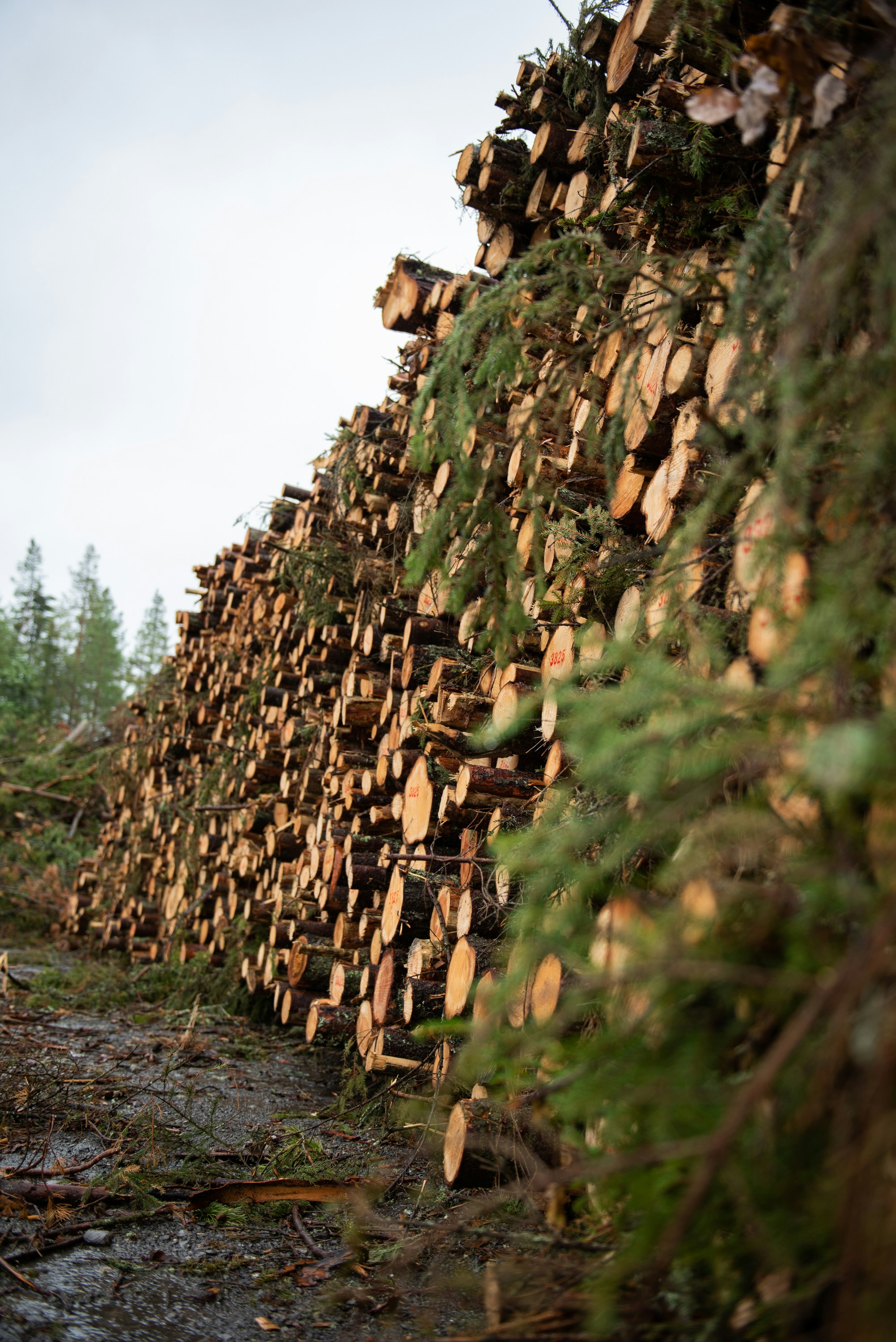
On May 28, the Supreme Court of Canada refused to hear the Wolastoqey First Nations' application for leave to appeal the New Brunswick Court of Appeal's December 2025 ruling. That ruling excluded privately-owned industrial forest land — including holdings of J.D. Irving, H.J. Crabbe and Sons, and Acadian Timber — from the Wolastoqey Aboriginal title claim. With the SCC declining leave, the NB Court of Appeal's decision stands as final law in New Brunswick. The title case can continue, but only for damages and compensation, not for ongoing ownership of the contested forest land.
The signal for BC operators is what came next. BC Attorney General Niki Sharma publicly welcomed the decision and said it 'bodes well' for the province's appeal in the Cowichan case — where a BC Supreme Court ruling has extended Aboriginal title onto privately-owned property in the Richmond area. Crown-Indigenous Relations called the Wolastoqey ruling 'an important ruling,' explicitly tying it to the proposition that 'private property rights are fundamental.' Lawyers for the Cowichan Nation also welcomed the SCC's decision — both sides reading the same precedent.
Operational read for BC fibre operators with tenure overlapping unresolved First Nations claims: the variable to watch is whether the SCC applies the same lens when the Cowichan appeal reaches it. If yes, the Cowichan precedent gets walled off the way Wolastoqey now is. If no, the door reopens. Either way, the K'ómoks treaty inching toward BC legislative ratification this week — with overlapping-claims problems openly unresolved between K'ómoks and neighbouring First Nations — is the same fault line on a different timeline. Three forestry companies in NB just got their tenure certainty back. Whether BC operators get the same depends on a court that has not yet agreed to hear the appeal.
Top of the Deck · Second
PRIMER
Primer · Bill 14 (Forests Statutes Amendment Act, 2026) — what it actually changes for BCTS, contract logging, and fibre access
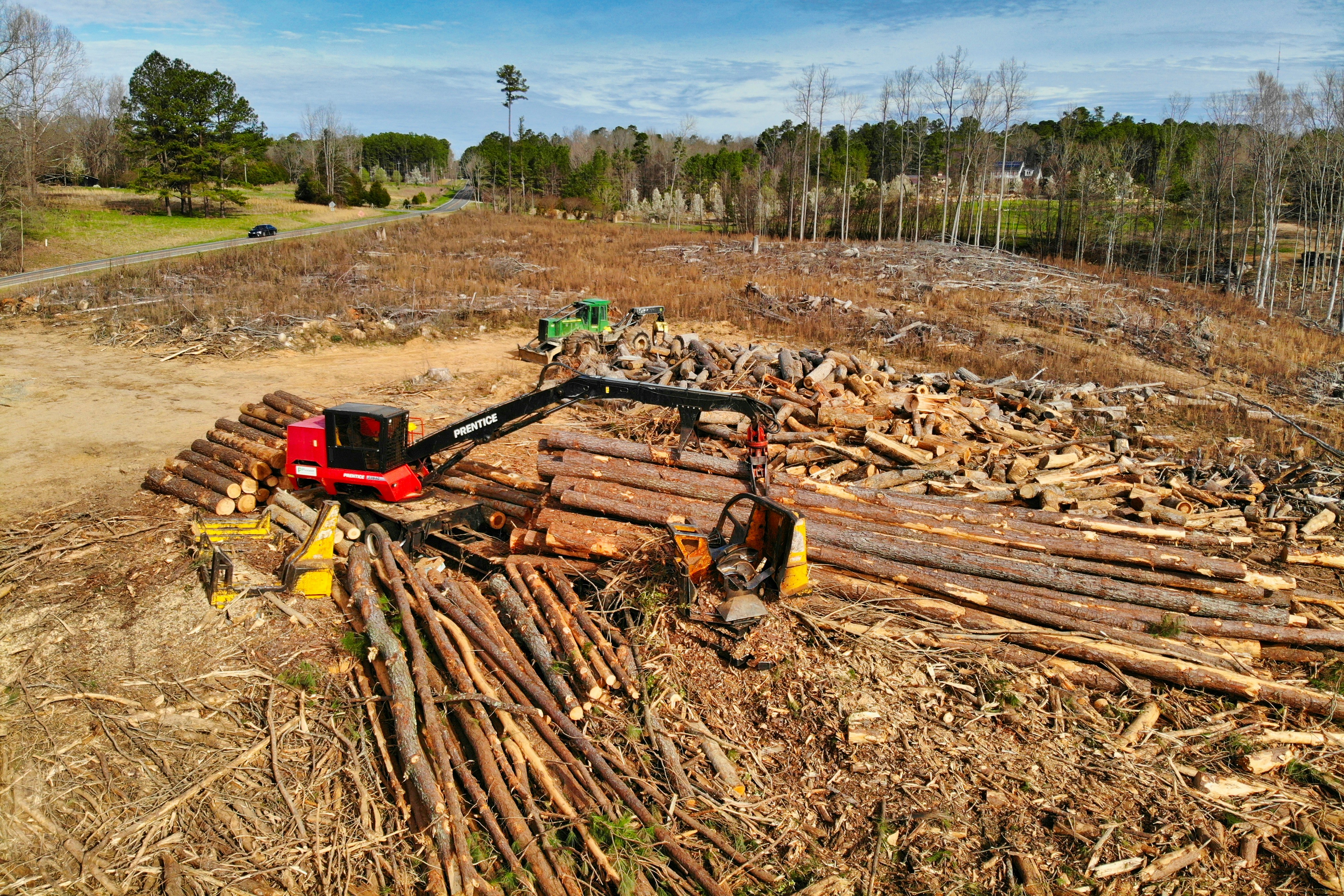
Bill 14 was introduced March 30, 2026 and remains in process at the BC Legislature. It amends two statutes: the Forest Act and the Forest and Range Practices Act (FRPA). The Ministry of Forests' framing is that the bill expands BC Timber Sales' (BCTS) mandate, streamlines salvage and fibre access for mills, restructures the contract authorization process, and codifies 'future stewardship' activities. The province projects an immediate volume effect of at least +700,000 cubic metres for the 2025-26 period — roughly 15,500 to 17,700 additional truckloads — coming online once the bill is in force.
Three substantive provisions matter operationally. First, the BCTS Account language is rewritten: references to 'operations that yield BC timber sales revenue' are replaced with 'BCTS operations,' a broader category that authorizes BCTS to defray costs of contract logging authorizations and harvesting carried out under them. Second, the bill introduces section 51.1, allowing a timber sales manager to issue a 'contract logging authorization' to a person contracted by BCTS to harvest Crown timber under the terms of that contract — a new instrument distinct from a timber sale licence. Third, timber sale licences and forestry licences to cut may now contain terms and conditions more stringent than the baseline Forest Act, FRPA, and Wildfire Act floors — giving the Crown a legislative basis for ratcheting up specific block- or licence-level conditions where it judges them warranted.
Operational read for fibre operators. The BCTS expansion is fibre-positive in the near term — more activity types (commercial thinning, salvage of damaged trees, wildfire-risk-reduction harvesting) become BCTS-eligible, opening contract bidding to more players. The contract logging authorization is new tenure-adjacent infrastructure: contractors gain a direct Crown relationship for specific harvesting work without going through a full licence transfer. The 'more stringent terms' clause is the watch item — old-growth advocacy groups (Ancient Forest Alliance, Endangered Ecosystems Alliance) have publicly flagged the concern that 'wildfire risk reduction' language could be used to authorize harvesting in conservation reserves containing old-growth, even while the same clause gives the Crown clearer authority to apply tighter conditions where appropriate. Both readings are simultaneously available in the statutory text. Which one ends up driving practice will depend on regulations, ministerial direction, and the specific licence-by-licence application choices made after the bill clears third reading.
The Cut · three things to know
1 ·Canada lost 1.52 million m³ of US softwood lumber import volume in Q1 2026 — largest supplier-side decline globally. Lesprom Network reporting (May 28) on global Q1 2026 softwood lumber trade: total imports across the 10 largest import markets fell 3.9 million m³ to 12.6 million m³ year-over-year. The US accounted for the largest market-side decline at 1.94 million m³, with Germany down 1.19 million m³ and China down 775 thousand m³. On the supplier side, Canada's volume into all markets fell 1,516 thousand m³ — the largest supplier drop — followed by Russia at 743 thousand m³ and Austria at 680 thousand m³. The headline read for BC operators: the duty stack and weak US homebuilding are doing exactly what they were designed to do — restraining Canadian shipments. The Q1 number is the data point Carney and Sharma will reference in any cross-border meeting going forward.
[Source: Lesprom Network.]
2 ·BC faces 'highest and most sustained' wildfire risk of any Canadian region for summer 2026 — federal forecast confirms June-August above-normal temperatures. Public Safety Canada's May 28 update on the 2026 wildfire season: 65 active wildfires nationally, six out of control, 18,935 hectares burned year-to-date. Natural Resources Canada modelling shows fire danger building through July, with BC explicitly named as the highest-risk and most sustained-risk region. Federal investment to back the forecast: $47.8 million over five years to Parks Canada's National Fire Management Program (announced same day by Minister Dabrusin), funding national wildfire response personnel, deployable equipment, and prescribed-fire vegetation management. Earlier this week (Edition 008) we covered the CIFFC 10-aircraft federal reserve fleet ($317M, BC firms VIH, Conair, Coldstream). Together that's roughly $365 million in announced federal wildfire spend in May alone — a fiscal posture that signals Ottawa is treating BC's summer as a Tier 1 emergency-management priority.
[Source: Public Safety Canada / PR Newswire.]
3 ·UPM and Sappi combine European graphic paper operations into €1.42B joint venture — consolidation signal in the adjacent paper market. UPM (Finland) and Sappi (South Africa) announced May 29 a definitive agreement to merge UPM Communication Papers with Sappi's European graphic paper business into a 50/50 joint venture valued at approximately €1.42 billion, targeting €100 million in annual synergies. The deal is positioned by the companies as a response to long-term structural decline in graphic paper demand driven by digitalisation and reduced print circulation. Relevance for BC fibre: BC's pulp and paper sector isn't direct to graphic paper, but the consolidation pattern is the warning shot. When global graphic paper players merge for survival, the pricing and capacity discipline imposed on the upstream — including BC kraft pulp — tightens. Watch Mercer International and Canfor Pulp positioning in Q2 earnings.
[Source: PulpPaperNews.com.]