Top of the Deck · Lead
MARKETS
Lumber climbs to an eight-month high as the duty wall throttles Canadian supply — but BC mills still sit behind a 35% stack
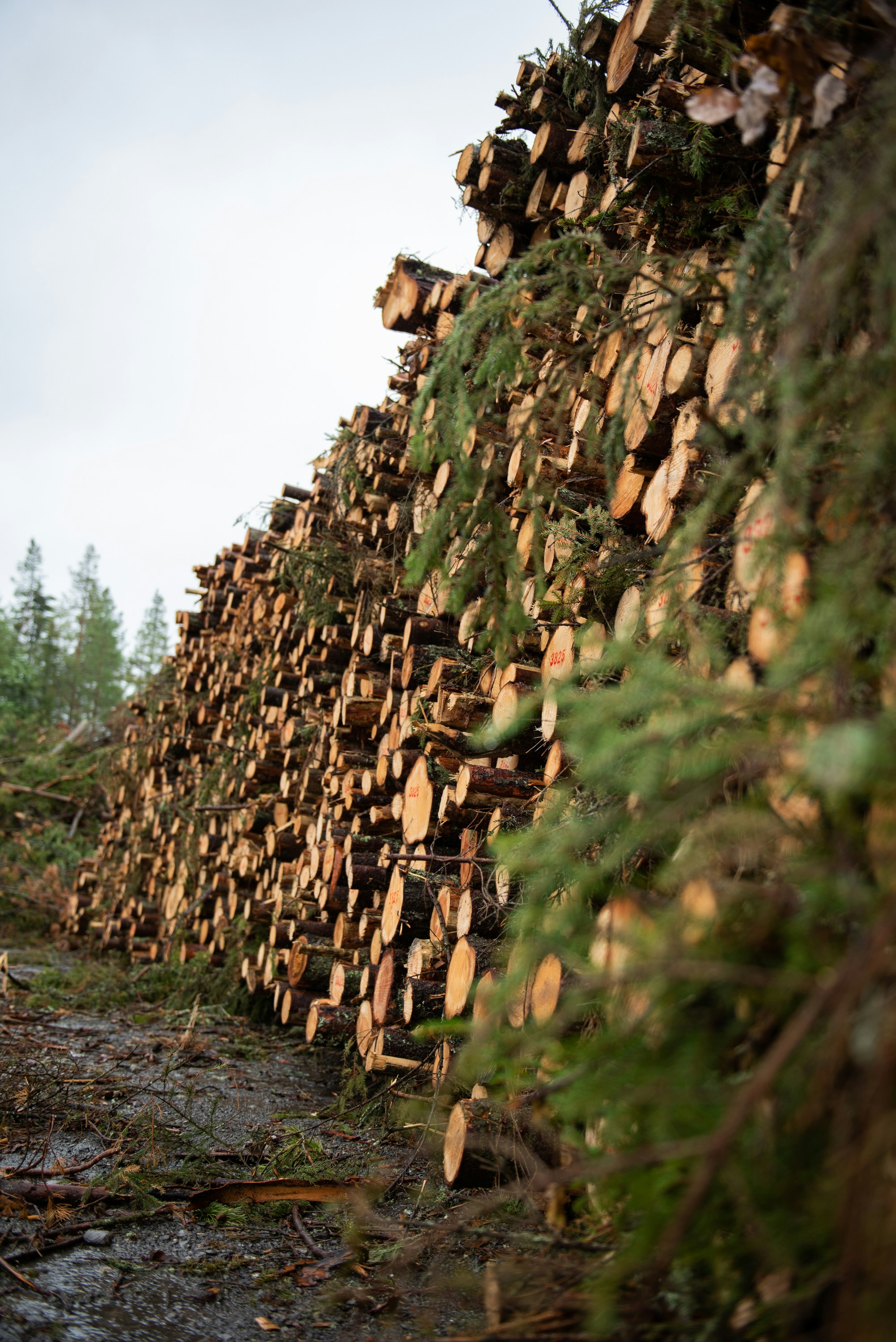
Lumber futures reached $617 per thousand board feet in the week of June 11, the highest level since October and an eight-month high, as tight supply outweighed a soft US housing market (Tree Frog Forestry News / Trading Economics). The benchmark has climbed steadily off its spring lows — to roughly $598 on June 3 — and has held near the eight-month high since. The driver is supply, not demand: US domestic production has not expanded fast enough to replace the drop in Canadian imports that followed Washington's tariffs, and Canada still accounts for up to 30 percent of US lumber consumption.
For British Columbia the rally is double-edged. Higher prices lift the value of every board that clears the border, but BC shipments clear it behind a tax wall. The US Commerce Department's preliminary determination would cut the combined anti-dumping and countervailing rate to about 24.8 percent from 35.2 percent, while a separate 10 percent Section 232 tariff stacks on top, keeping the effective burden near 35 percent (Tree Frog / Trading Economics). The price signal that would normally pull more BC wood south is blunted by the duty stack and by a fibre shortage that has idled mills across the Interior.
Operational read. The supply tightness pushing prices up is partly BC's own contraction — reduced harvest, mill curtailments, and wildfire and storm damage that prompted the province to introduce emergency measures to boost timber availability. Demand offers no offset: US housing starts plunged 15.4 percent in May, with permits little changed, signalling builders remain cautious (US Census Bureau / NAHB, via Tree Frog). For operators the question is whether firm prices hold long enough, and rise far enough, to make the wood behind the 35 percent stack worth cutting — or whether the rally mostly rewards US South mills that face no duty at all.
Top of the Deck · Second
MILLS
Canfor buys Western Canada's largest I-joist plant for $68 million, deepening a value-added bet as it trims commodity capacity
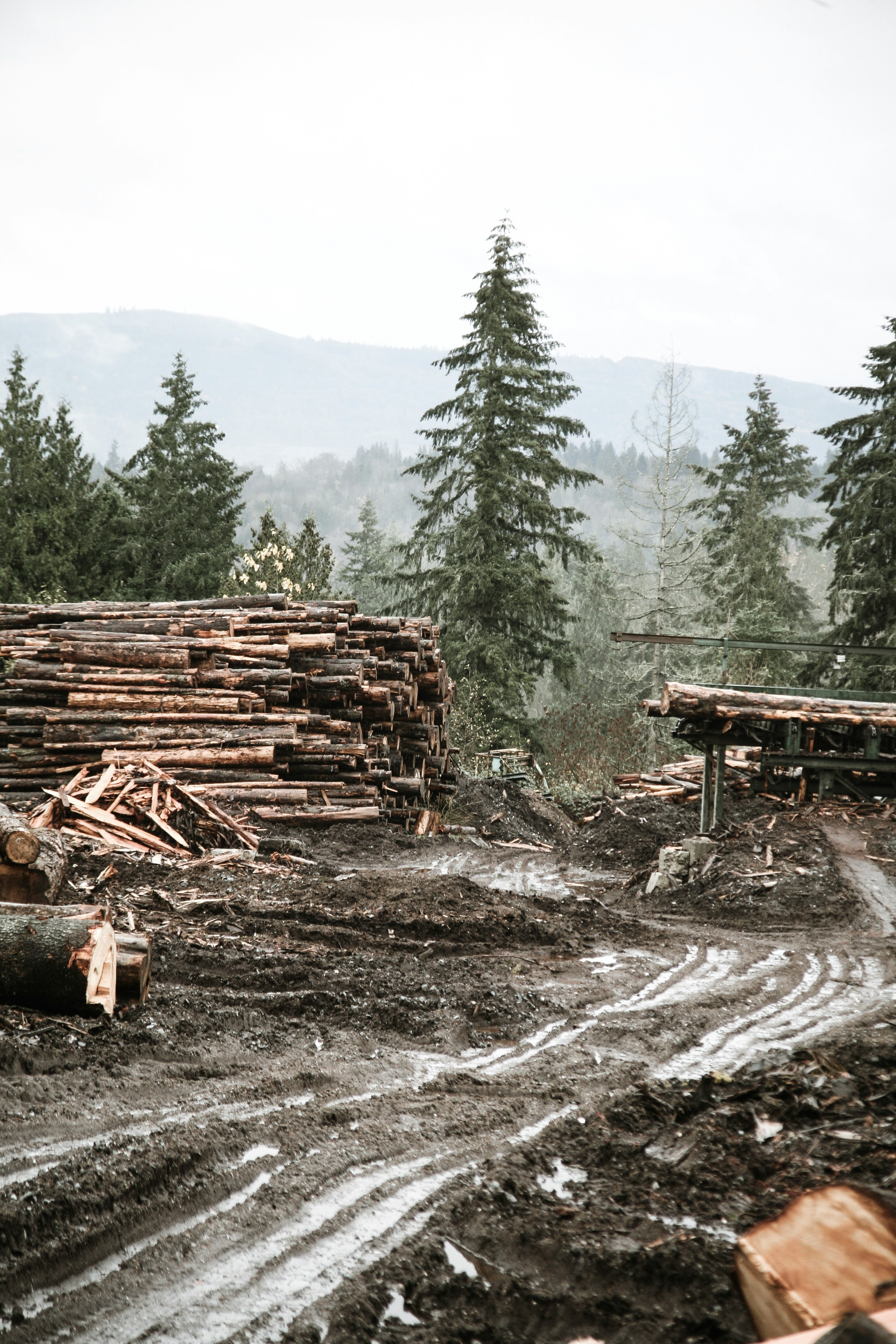
Canfor Corporation (TSX: CFP) agreed on June 9 to buy the I-joist business of Calgary-based PinkWood Ltd. for $68.0 million, including working capital. Founded in 2009, PinkWood is the largest I-joist facility in Western Canada — 120 employees and 46 million linear feet of annual capacity, making engineered joists for residential, multi-family and commercial construction. Canfor will pay $55.0 million on closing and $13.0 million over five years, financed from cash on hand, at a price it pegs at five times EBITDA. PinkWood keeps its name as a wholly owned subsidiary, and the deal is expected to close in the third quarter.
The purchase fits a deliberate tilt. 'Canfor's acquisition of PinkWood complements our operations in Western Canada by enhancing product diversification and supporting the continued expansion of our value-added manufacturing capabilities,' said President and CEO Susan Yurkovich. Engineered wood products — I-joists, glulam, cross-laminated timber — carry steadier margins than commodity dimension lumber and sit outside the softwood duty orders that tax BC's sawn-lumber exports. The move lands three weeks after Canfor's 77-percent-owned Swedish subsidiary, Vida AB, announced the permanent closure of two sawmills in southern Sweden, underscoring a company rotating capital out of high-cost commodity capacity and into value-added.
Operational read. For BC, the signal is mixed. A Vancouver-headquartered major adding engineered-wood capacity in Alberta — not BC — continues a pattern of Canadian forestry investment flowing to where fibre, power and policy are most favourable, which in recent years has meant the US South and, increasingly, value-added plants over sawmills. The acquisition does not add a single BC sawmilling job. What it does confirm is the industry's read of the duty era: the durable returns are in manufactured wood products that clear the border duty-free, not in commodity lumber stuck behind the 35 percent stack.