Top of the Deck · Lead
TRADE
Eby takes BC's forestry pitch to China — market diversification moves from talking point to itinerary, but it won't change this quarter's duty math
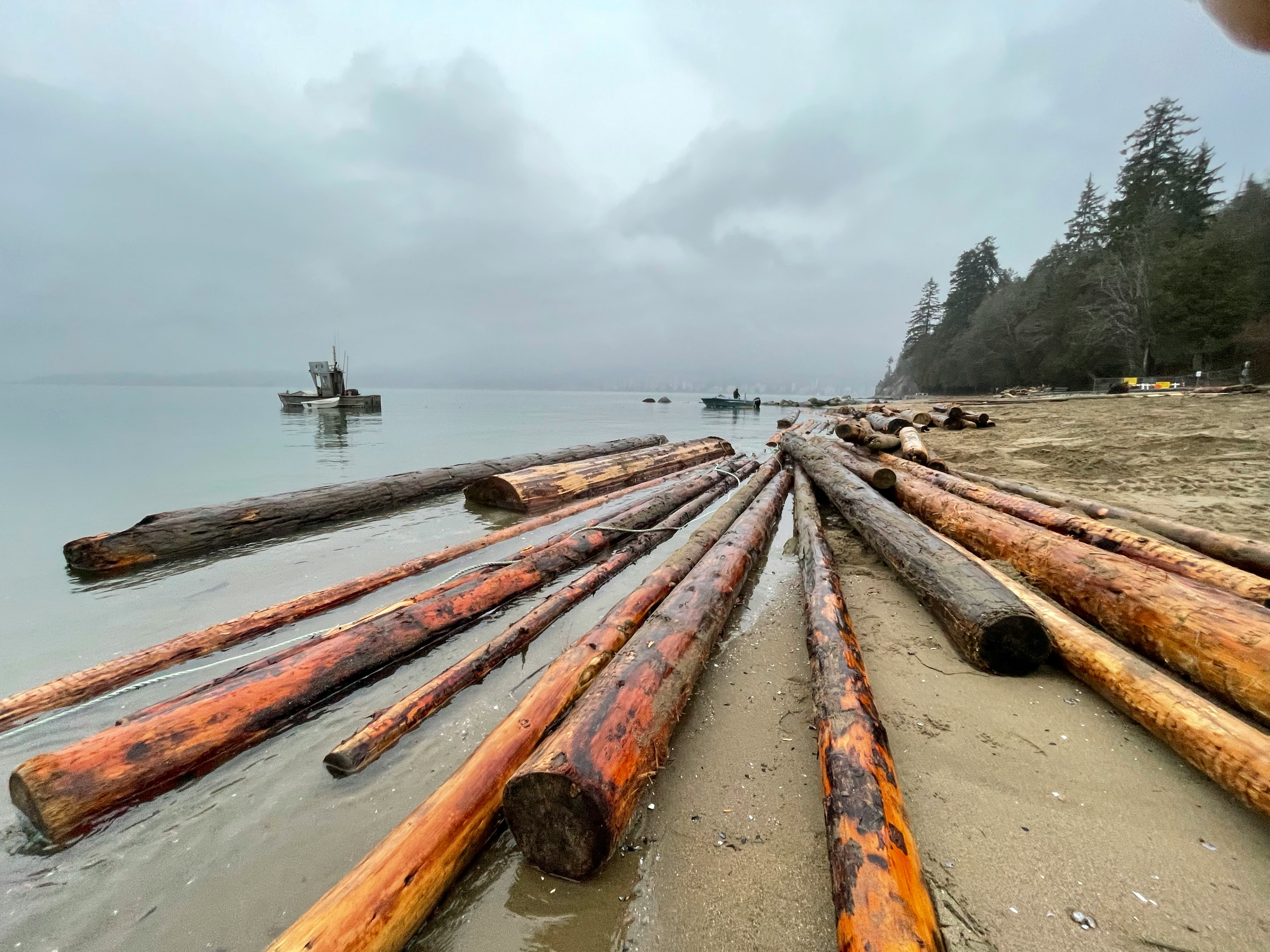
Premier David Eby departed for his first-ever trade mission to China, telling reporters the trip will focus on pitching the province's forestry products and energy sector built around LNG development. He framed China as British Columbia's second-largest trading partner and tied the mission to a stated goal of doubling international trade over the coming decade — an explicit move to expand relationships beyond the United States. Eby said US tariffs are 'really hurting' the province's forestry sector, and that he hopes to see Chinese tariffs currently hitting BC goods lifted, including on the seafood sector.
The headline target is energy, not fibre. Eby said the 'really big fish' he is chasing is a meeting with PetroChina on the second phase of the Kitimat LNG facility expansion, with a final investment decision on that project expected later this year. He added that he received briefings from both the RCMP and the Canadian Security Intelligence Service before the trip, and that his full itinerary was withheld to avoid handing competitors in other provinces and countries an unfair advantage while the mission seeks deals for BC companies.
Operational read. For BC fibre the signal is directional, not immediate. A premier physically in Beijing pitching wood products is the clearest sign yet that the province is treating market diversification as policy rather than rhetoric — China is the obvious destination given the US duty stack squeezing volume south. But the constraints are real: rebuilding Chinese demand for BC lumber is slow, capital-heavy, partly contingent on Beijing lifting its own tariffs, and largely outside a premier's direct control. None of it changes the duty math on a board shipped to the US this quarter. The concrete watch item is whether the trip produces any commitment on Chinese tariff relief for BC forest products — or stays a relationship visit anchored by an LNG deal. These are reported statements of intent, not announced agreements.
Top of the Deck · Second
TRADE
The biggest US housing bill in decades passed Congress 358-32 — then the President cancelled the signing, leaving BC's key demand driver in limbo
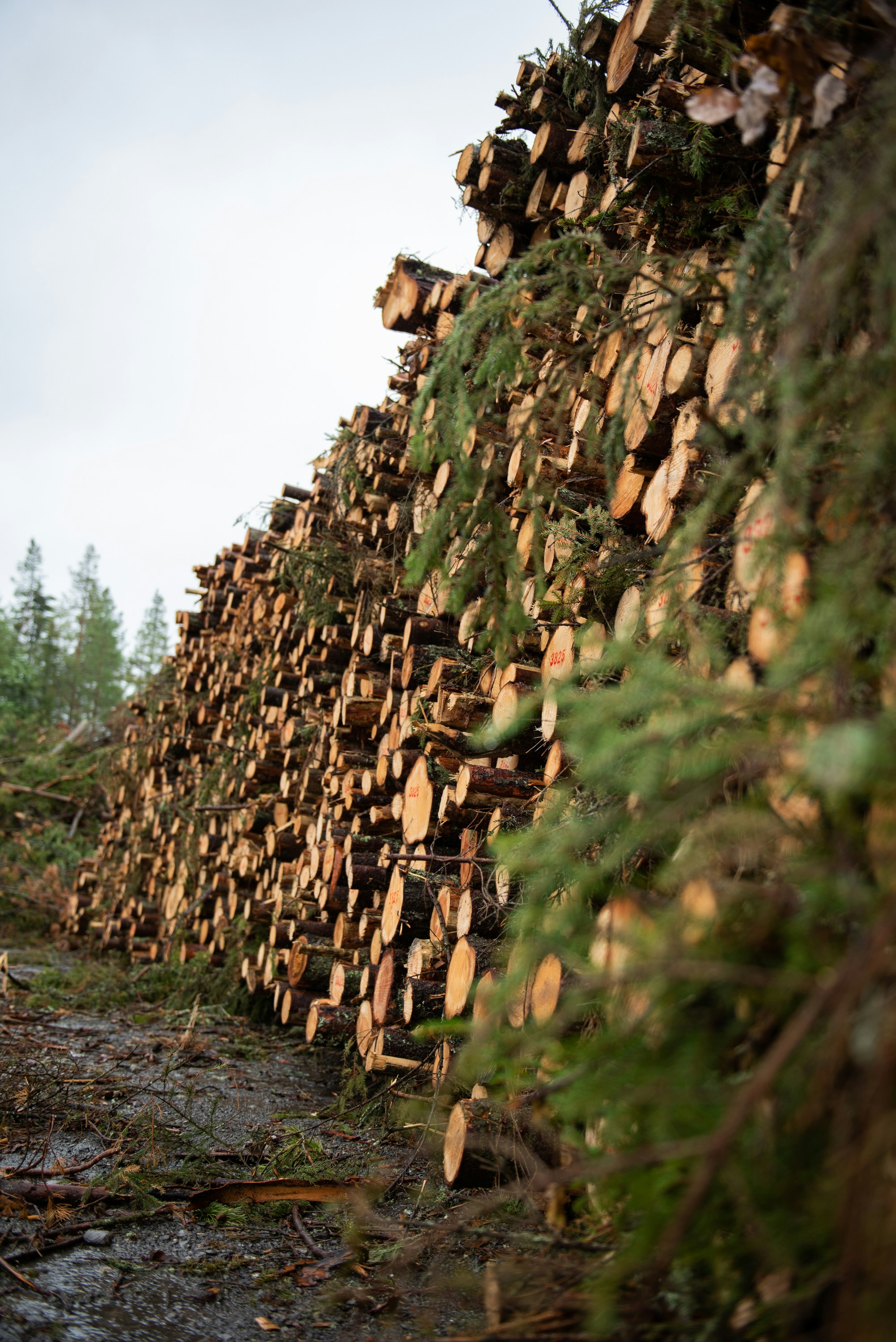
The 21st Century Road to Housing Act — described as the largest housing affordability bill out of Congress in decades — cleared the US House 358-32 after the Senate passed it the day before, both with heavily bipartisan margins. Then President Trump abruptly cancelled the signing ceremony, posting that he would not sign the measure until Congress passes a strict voter-ID bill, the Save America Act. The package does not appropriate new federal dollars for homebuilding; it streamlines regulation — letting builders skip some environmental reviews, creating preapproved 'pattern book' designs, and easing manufactured-housing rules — and bars large corporate investors holding 350-plus homes from buying more single-family houses.
The relevance to BC is the demand side of the fibre equation. US residential construction is the largest end market for Canadian softwood, and the bill aims squarely at the structural shortfall behind weak starts: Realtor.com estimates the US was short more than four million housing units last year. But the mechanism is regulatory, not fiscal, and Washington has limited leverage over the local permitting and private builders that actually set construction volume. Mortgage rates near 6.5% and a Federal Reserve hinting at a possible hike, not a cut, are the nearer-term constraints on starts.
Operational read. For BC mills the bill is a slow-burn positive at best and, right now, a stalled one. Even signed, regulatory streamlining lifts housing starts over years, not quarters — so it does little for the lumber demand that has driven the province's curtailment wave in the near term. The immediate signal is the opposite: a bipartisan, veto-proof-margin bill held hostage to an unrelated voting fight is a reminder that the single biggest lever on BC's export demand sits inside US domestic politics the province cannot influence. Watch whether the signing standoff resolves and whether any version of the bill measurably moves starts. Historical, display-only policy facts — not a forecast.
The Cut · three things to know
1 ·CUSMA review hits its July 1 'checkpoint' — Canada wants softwood relief on the table, but its chief negotiator says the date is 'not a cliff.' The Canada-US-Mexico Agreement reaches its scheduled six-year review on July 1, and Canada has formally notified its partners that it wants the deal renewed, coordinating its position with Mexico ahead of the talks. Ottawa's stated goals include relief from US tariffs on steel, aluminum, autos and softwood lumber. Canada's chief trade negotiator has publicly framed July 1 as a 'checkpoint, not a cliff,' cautioning that the hardest files will not be resolved by that date. For BC, the operative caveat is that softwood has historically been litigated outside CUSMA under the separate antidumping/countervailing process — so a 'review opportunity' is a political opening, not a guaranteed channel for duty relief. Watch whether softwood is formally raised, not just whether the review opens.
[Source: CBC News.]